 English - beta
 български
 русский - бета
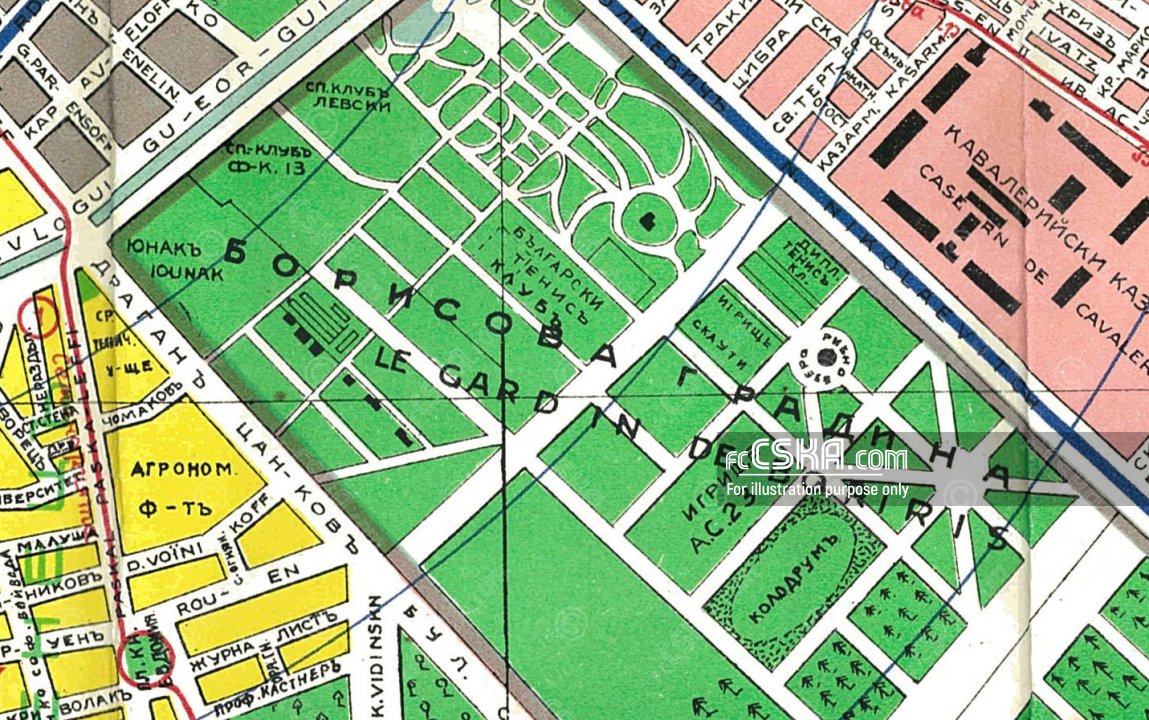
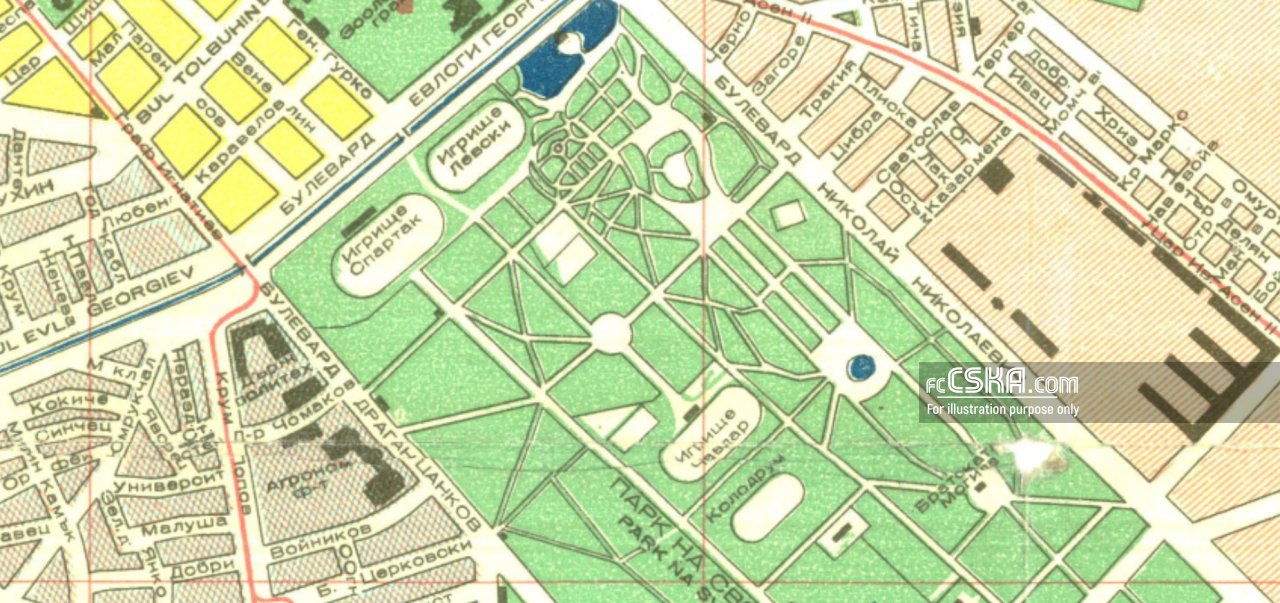
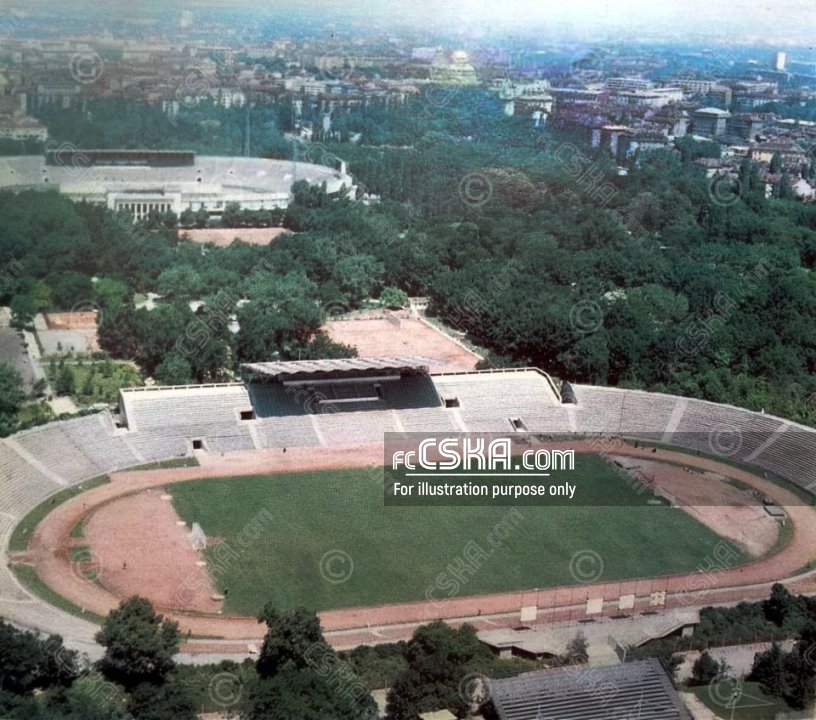
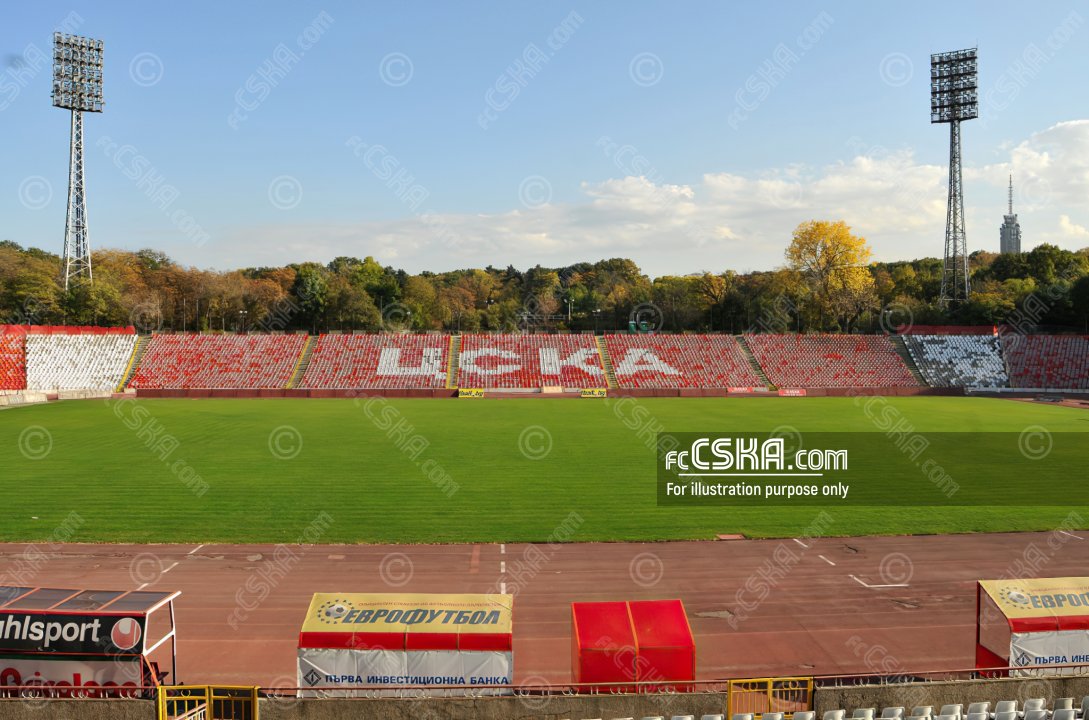
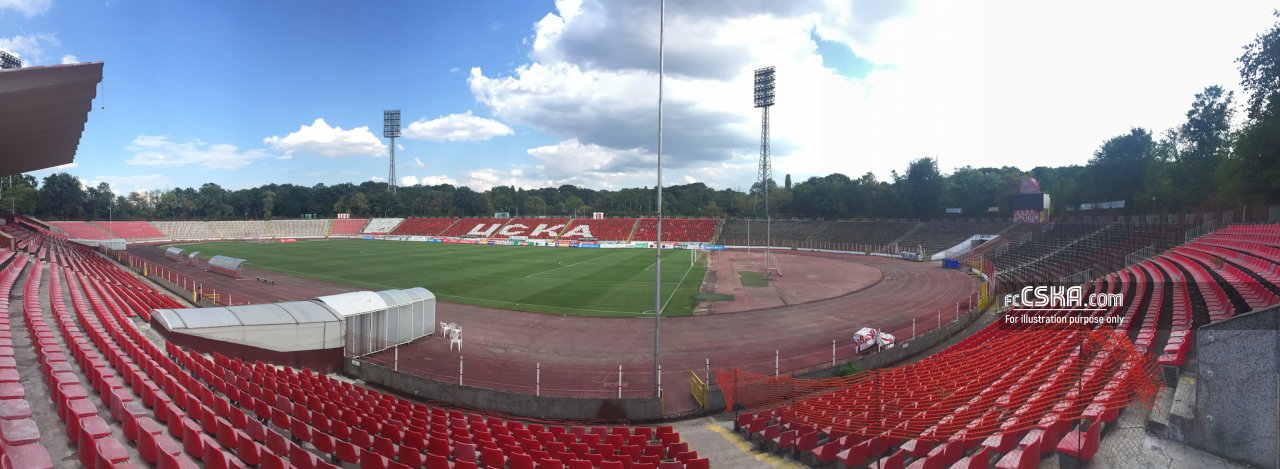
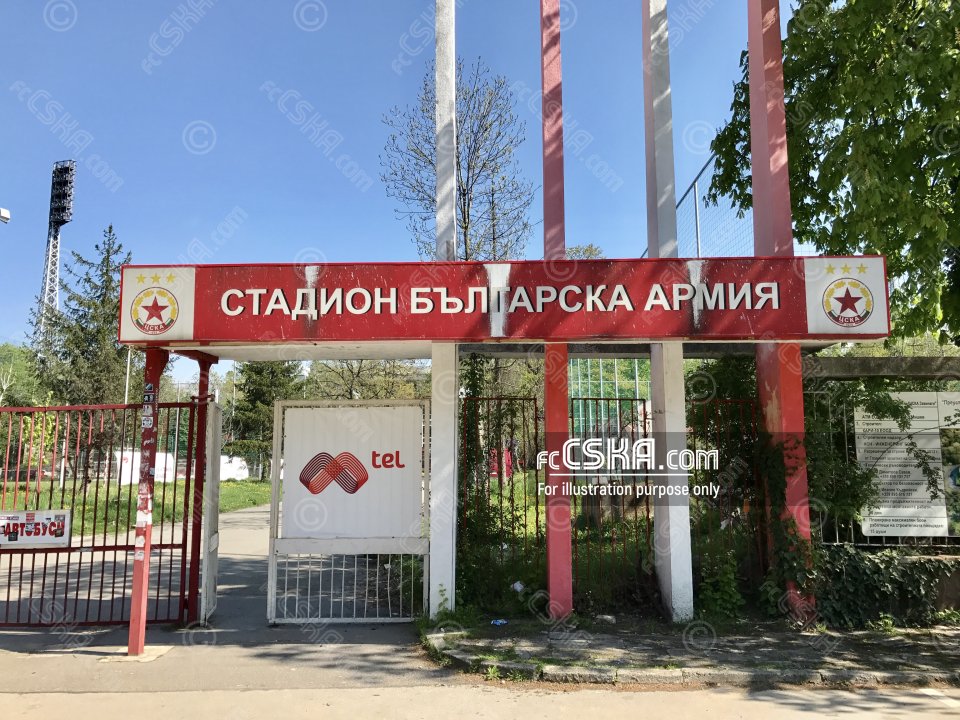
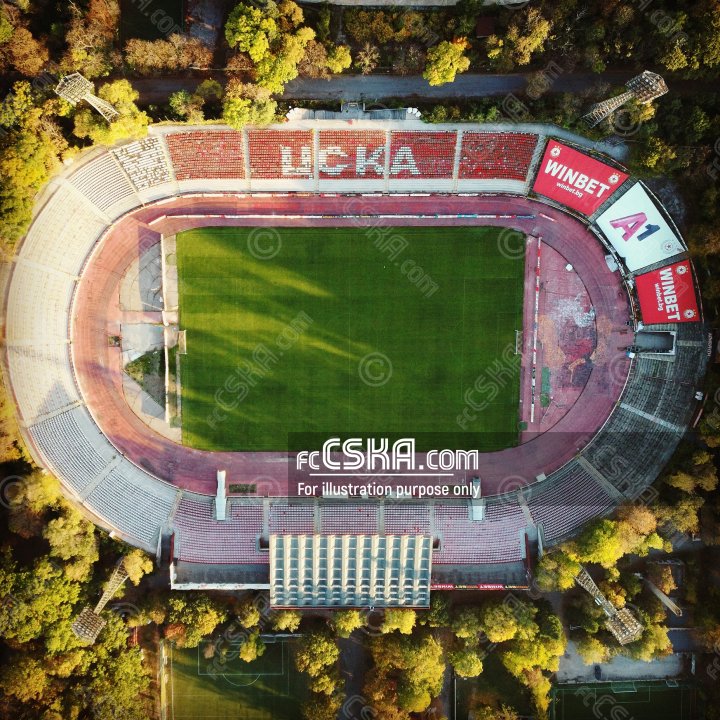
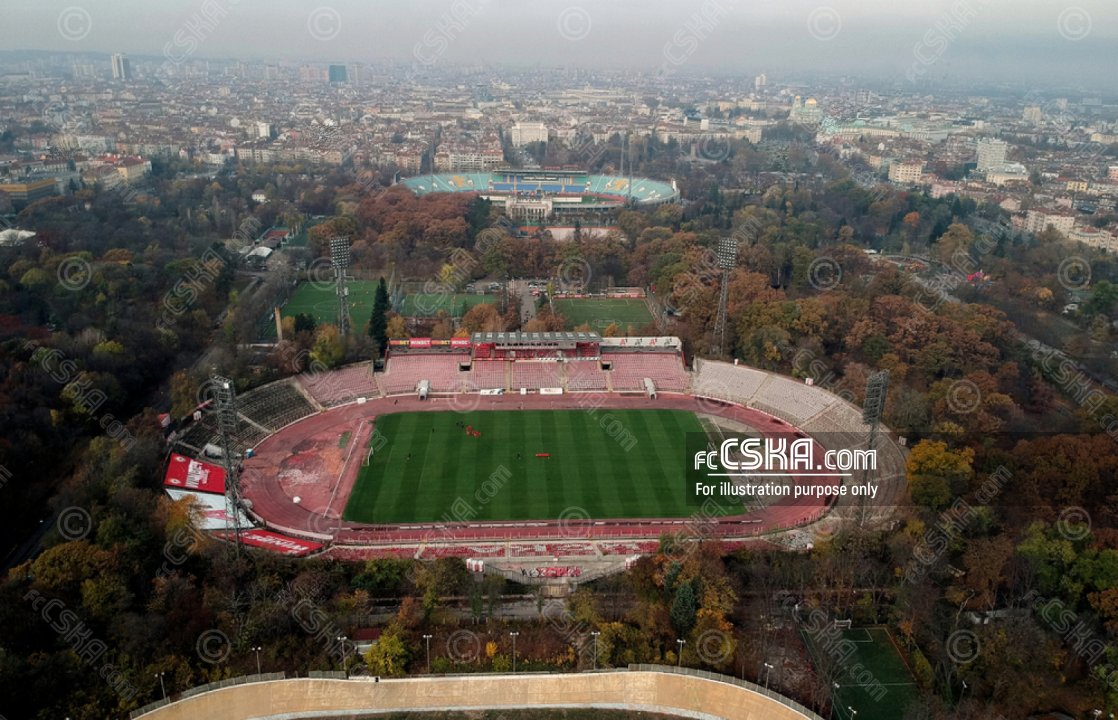
„Balgarska armiya“ Stadium, also known as "Armiyata" ("The Army"), is the home stadium of CSKA. It is located in Borisova Gradina, in the center of Sofia.
History
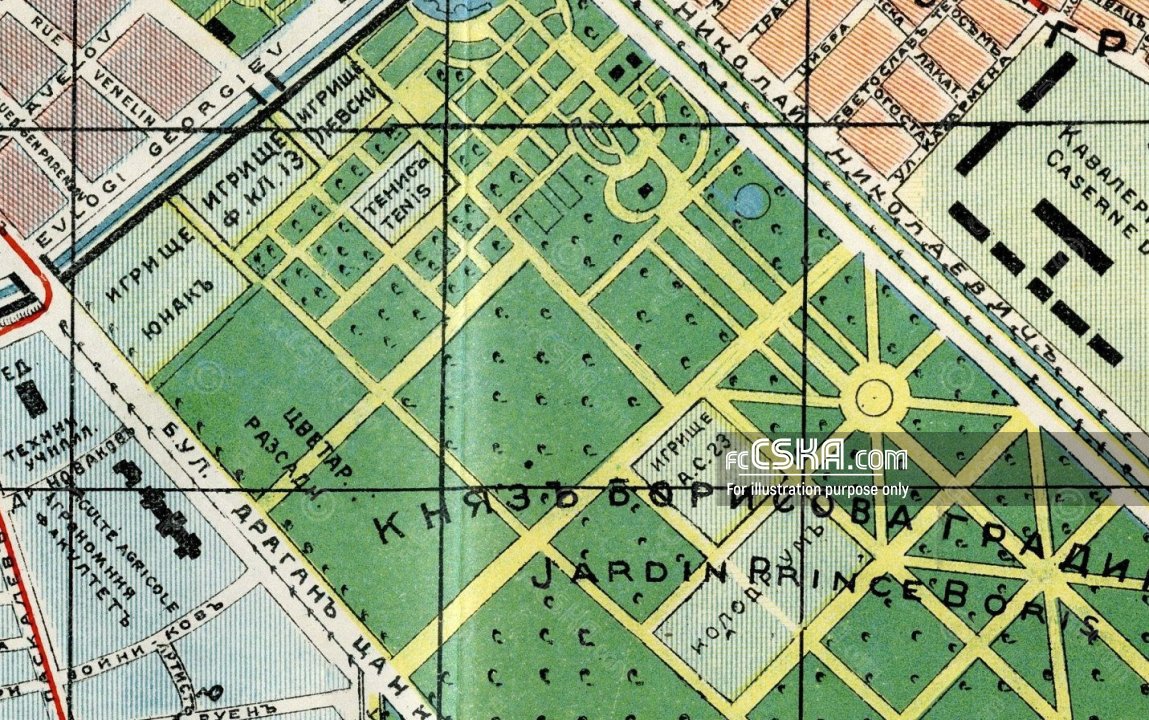
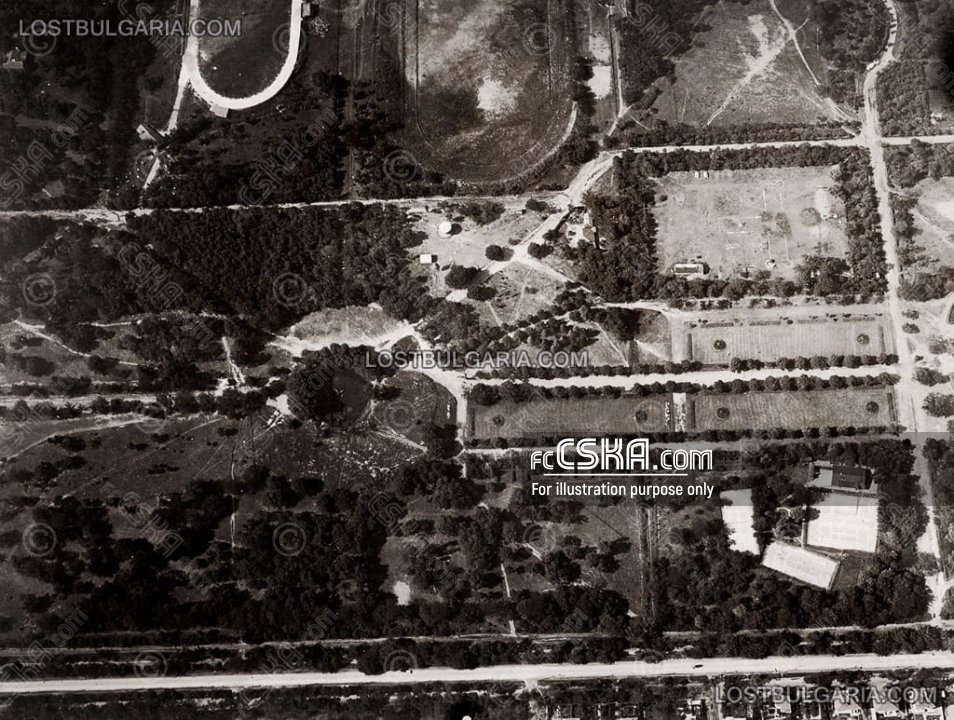
In the area known as „Pustinyata“ (The Desert), then on the outskirts of Sofia, the city's first football club, Football Club (the team of „Savata“, later known as FK-13), was founded in 1909 by students of the Galatasaray Lyceum in Constantinople, with Sava Kirov and Ivan Matinchev being the leading figures. A year later, on the same site, Club Football (the team of „Matinkata“, later known as Athletic) was founded by Ivan Matinchev. The two teams played numerous matches against each other on this ground.
The First Stadium
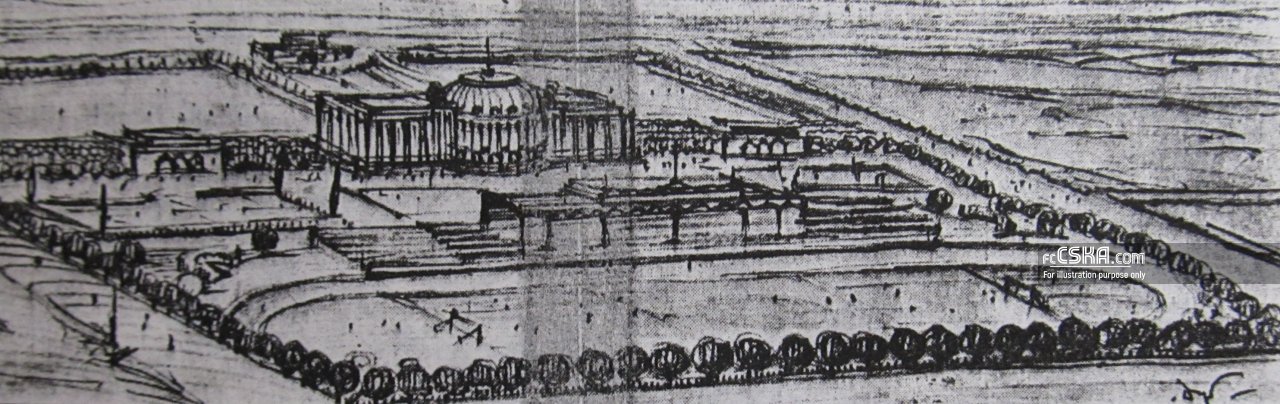
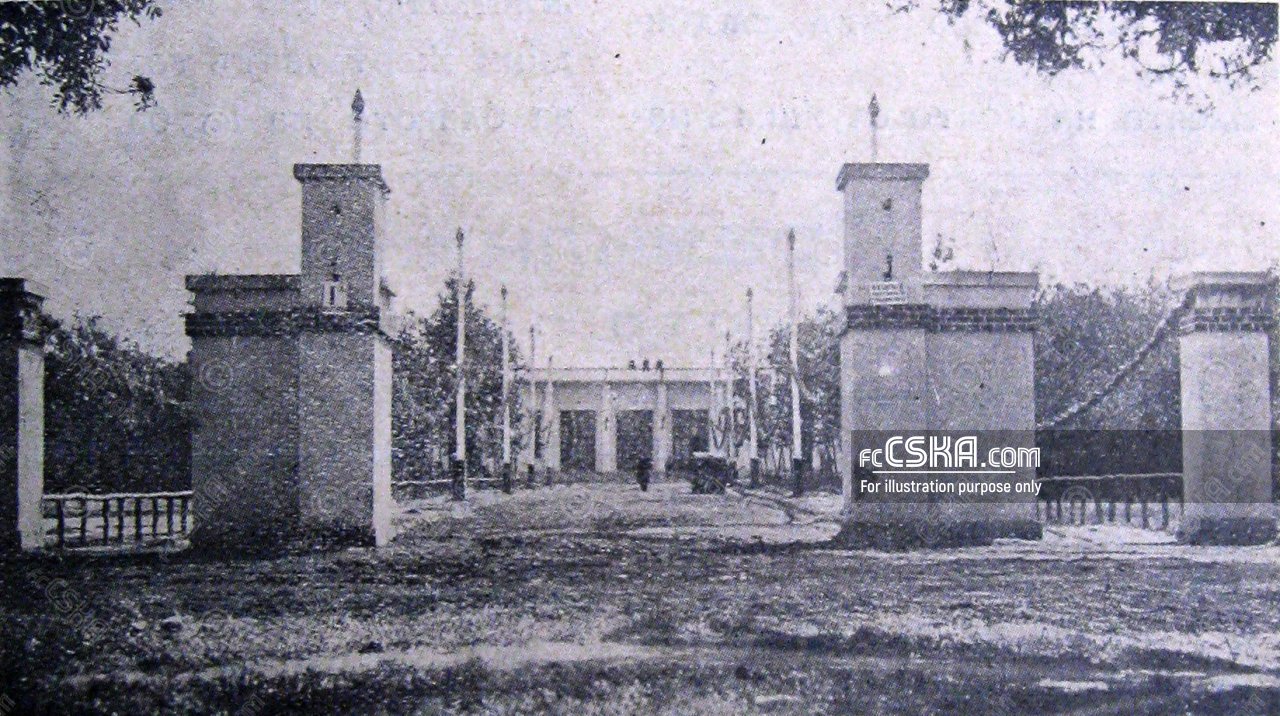
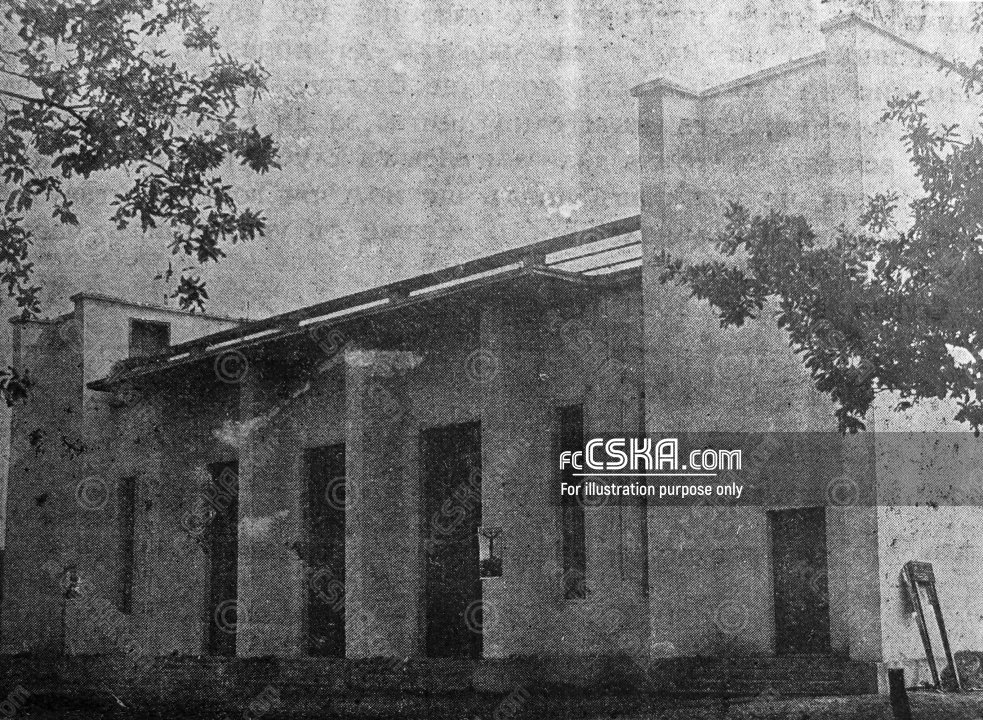
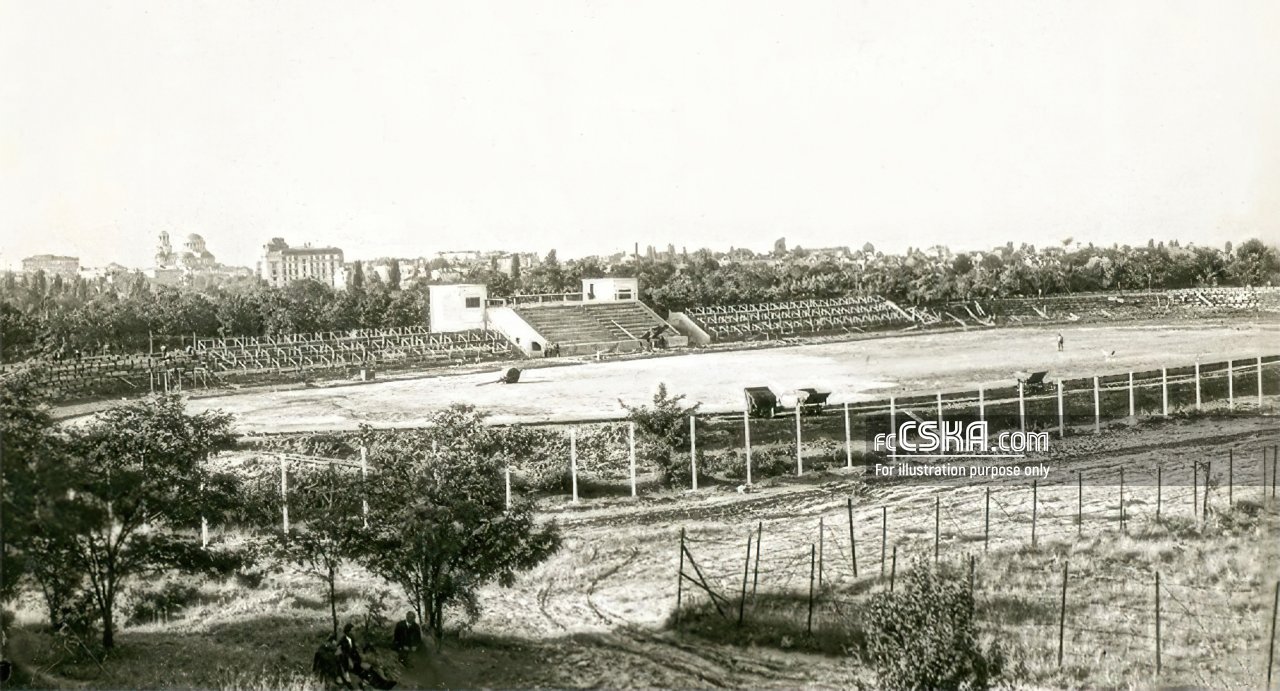
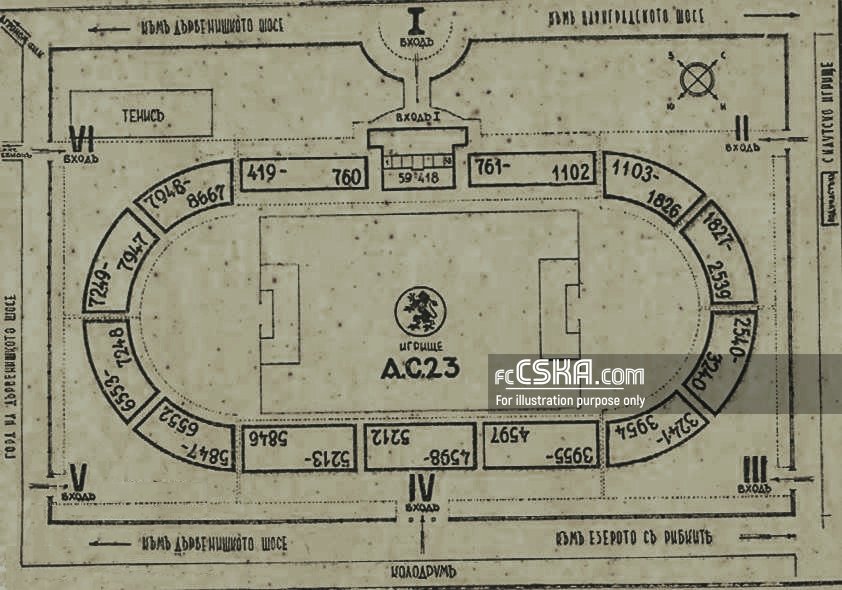
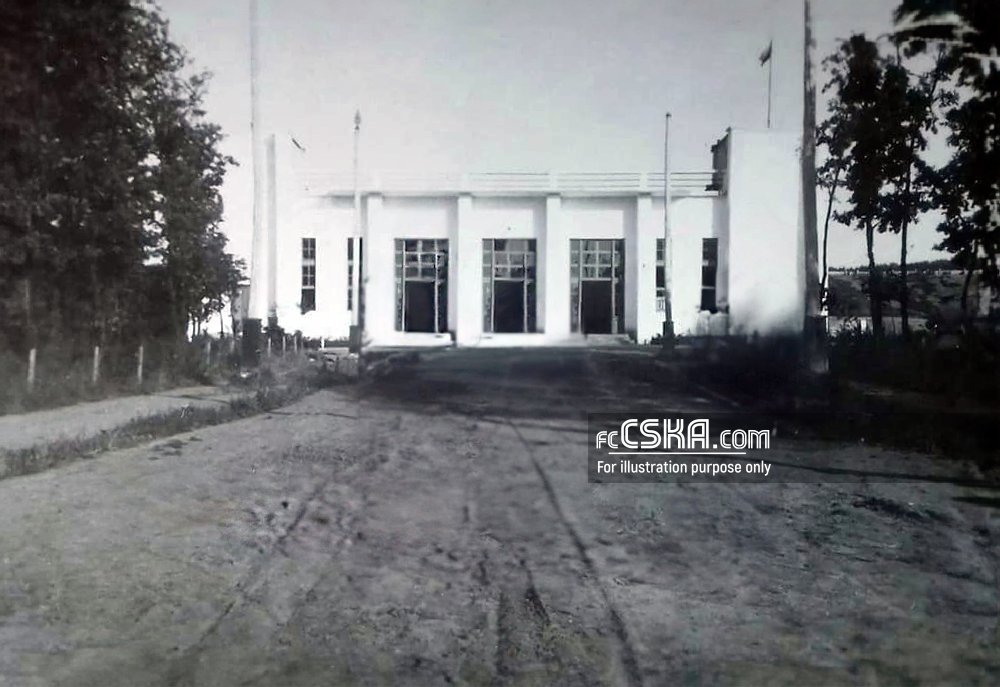
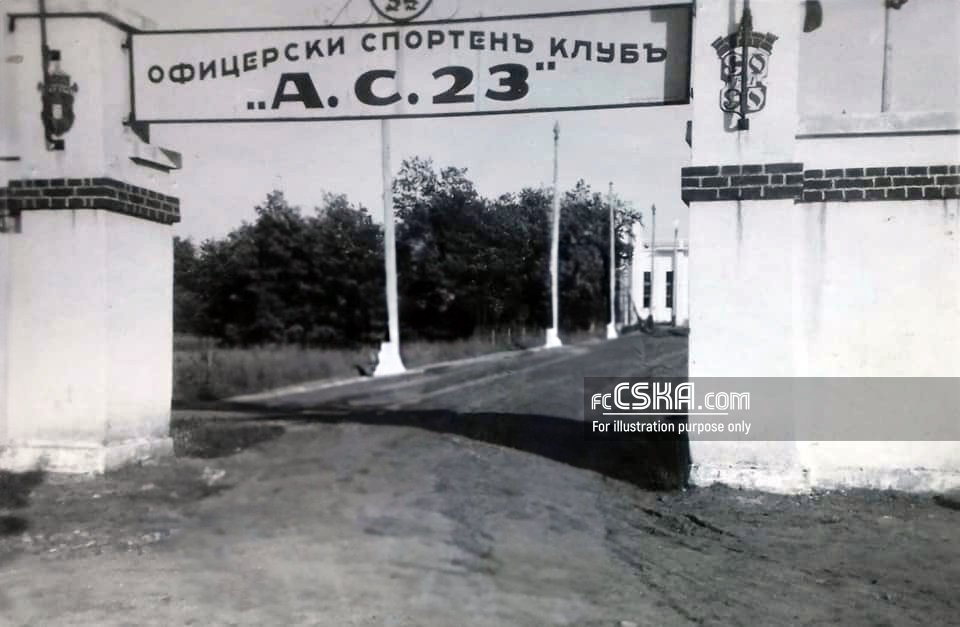
On 3 January 1922, the Sofia Municipality granted the area known as „Pustinyata“ in Borisova Gradina to Officers' Sports Club „Slava“ for the club's home matches. Following the merger of OSC „Slava“ and Athletic, the stadium adopted the name of the newly merged club, „AS-23“. In 1930, construction began on the stadium's main building, which included offices, a caretaker's room, men's and women's changing rooms, men's and women's showers, a gymnastics hall measuring 20 by 15 meters, and a storage room. The main building measured 30 by 20 meters and was completed by the summer of 1931. The stadium featured eastern and western stands, while spectators could stand on the northern and southern sides. An athletics track surrounded the football pitch. On 3 August 1933, the club received the title deed confirming its ownership of the stadium.
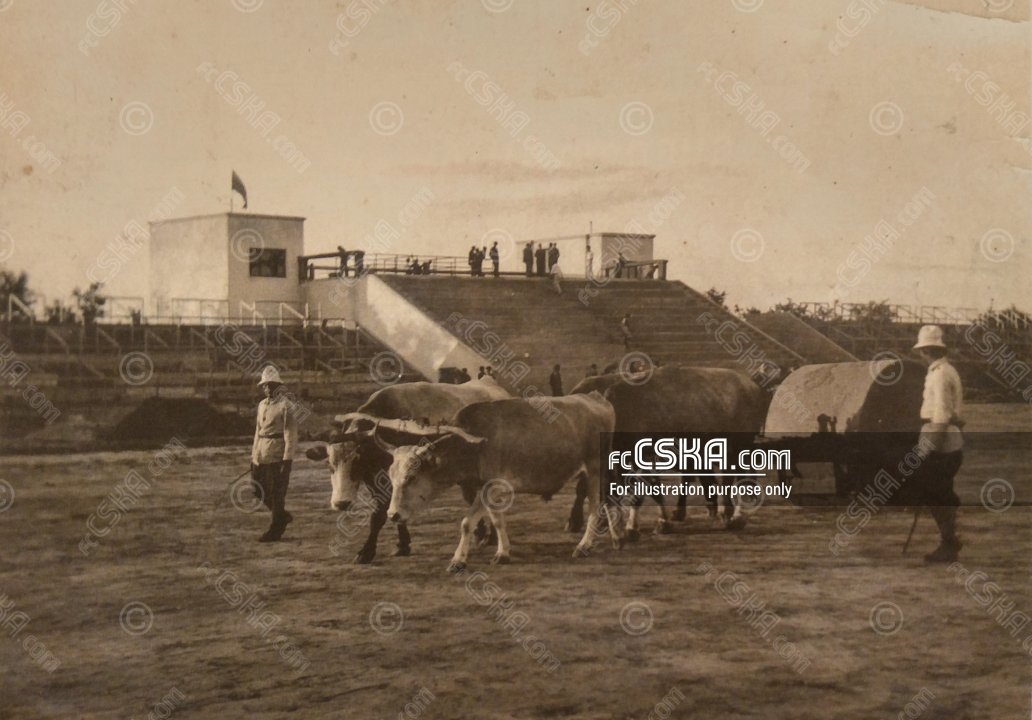
In 1938, further major improvements were carried out. A new drainage system with more than 1,700 meters of drainage channels was installed, while the athletics track was rebuilt with a 25 cm foundation of stones and construction debris before being covered with concrete. A concrete wall, ranging in height from 60 cm to 110 cm, was built around the stadium, topped by an iron fence with a total height of up to 2.5 meters.
In 1939, the pitch was covered with soil and planted with specially selected turf, becoming the first grass football stadium in Bulgaria.
By 1940, stands had been constructed on the northern and southern sides, completing the stadium. The total construction cost amounted to 3 million leva, with the majority financed by AS-23 and its supporters, while the state's contribution was limited to a donation of 55,000 leva and timber. Upon completion, the stadium had a capacity of 18,000 spectators.
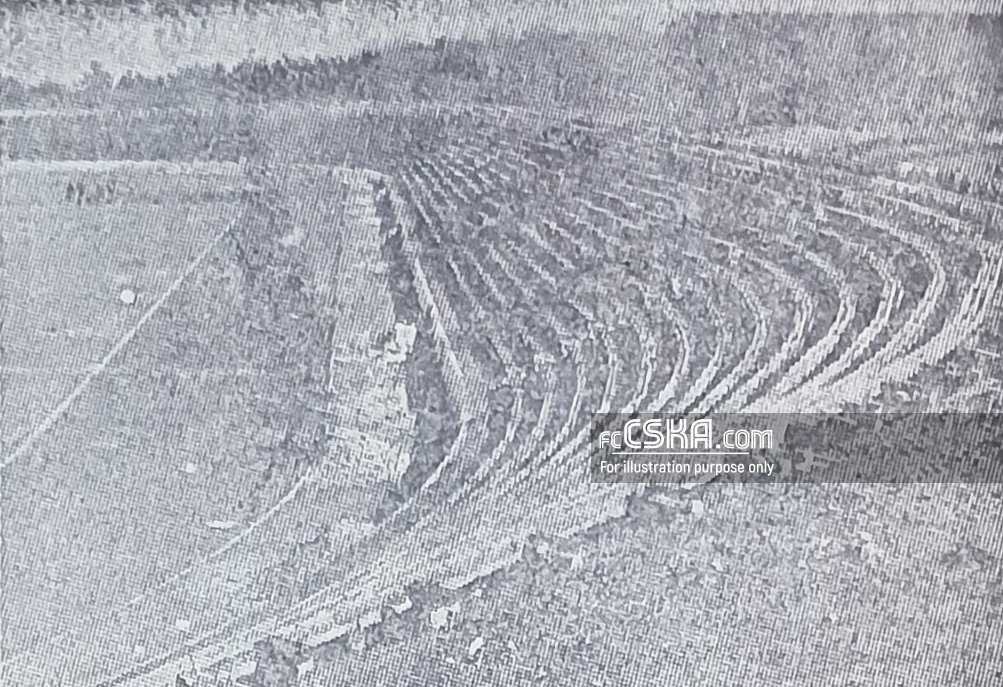
At the end of 1944, the stadium was renamed „Chavdar“, after the newly merged club. On 19 March 1948, it was nationalized following the adoption of the Law on Officers' Clubs (State Gazette, Issue 64). During the second half of 1948, the stands were reconstructed with the installation of 13 rows of wooden benches mounted on concrete blocks. Years of intensive use of Bulgaria's only grass stadium equipped with a drainage system also made it necessary to replace the playing surface. The athletics track was resurfaced, while basketball and volleyball courts, together with a 2,500-seat basketball/volleyball stadium, were built near the tennis courts.
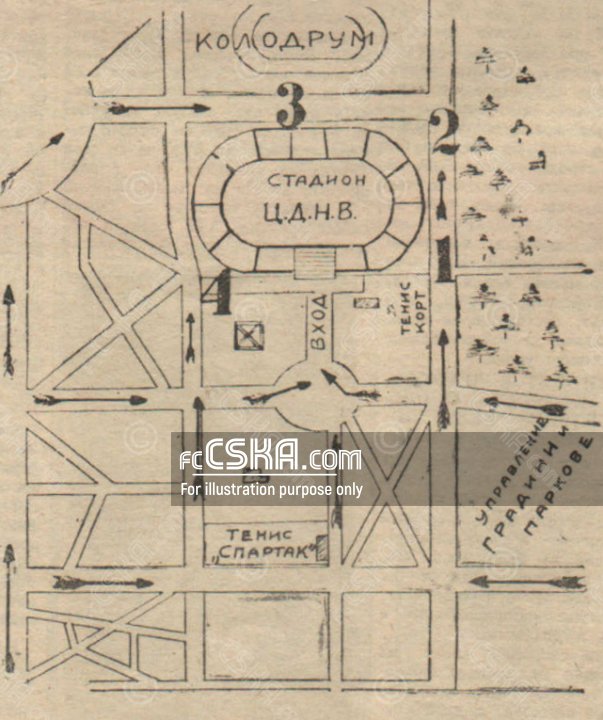
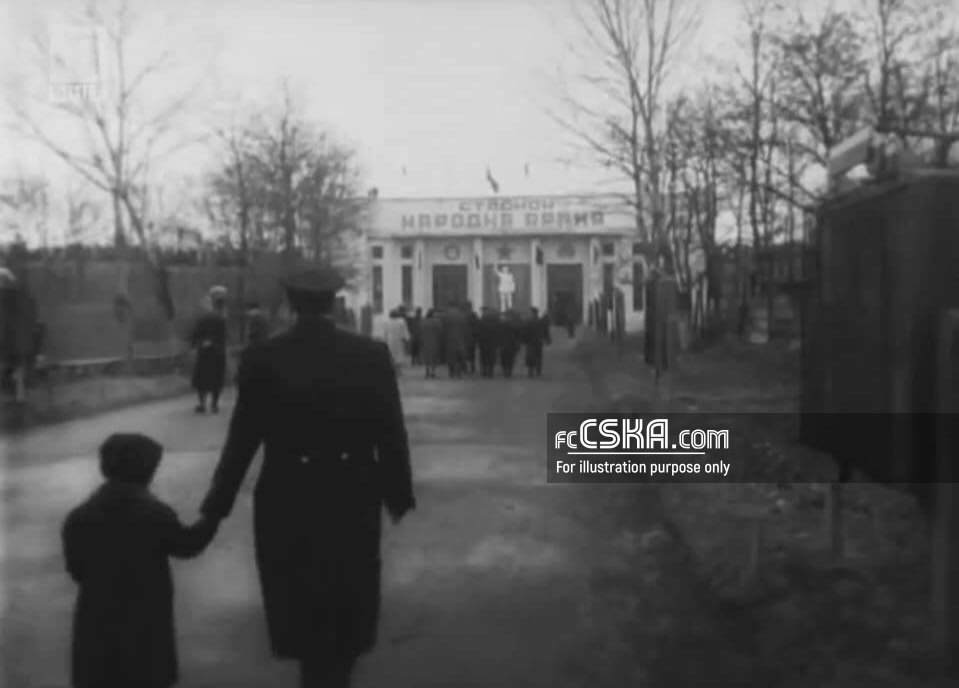
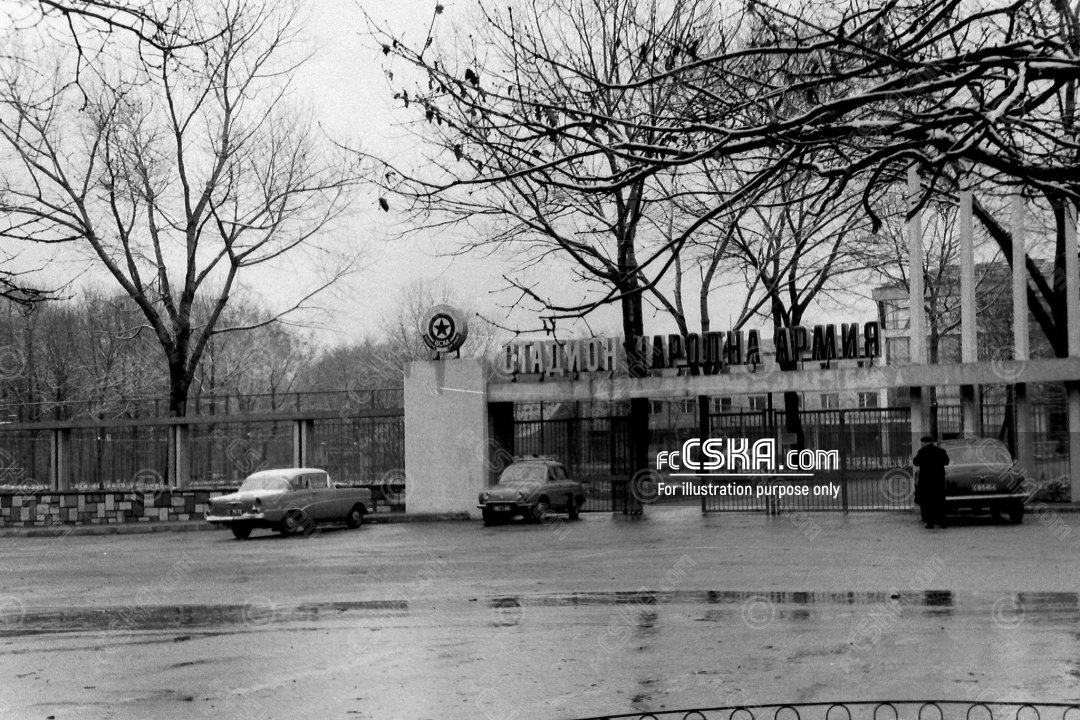
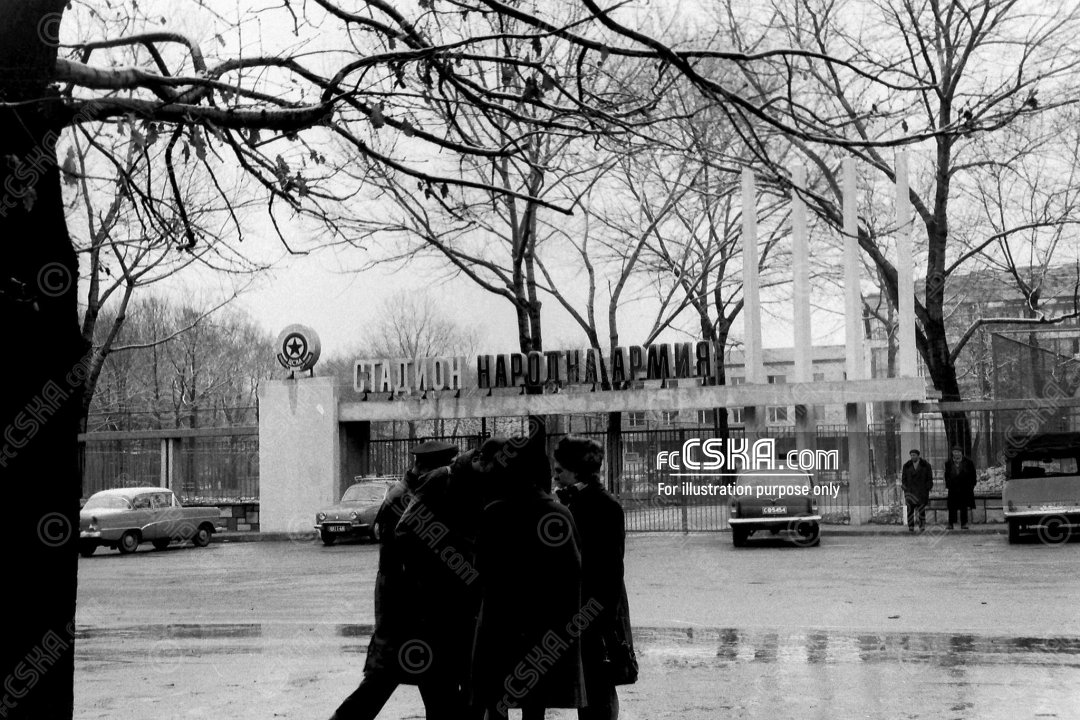
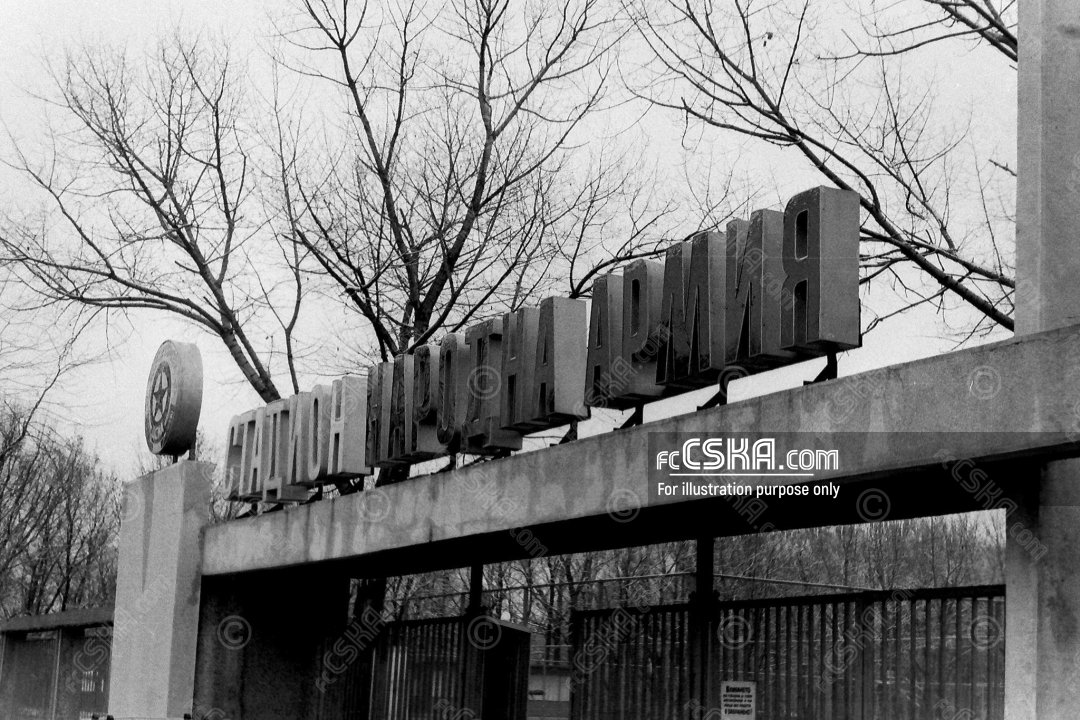
Between 1950 and 1952, it was known as „Narodna voyska“ (Peoples' troops), and from 1952 it was renamed „Narodna armiya“ (Peoples' army)
In 1965, the stadium was demolished to make way for a new modern stadium.
The Second Stadium
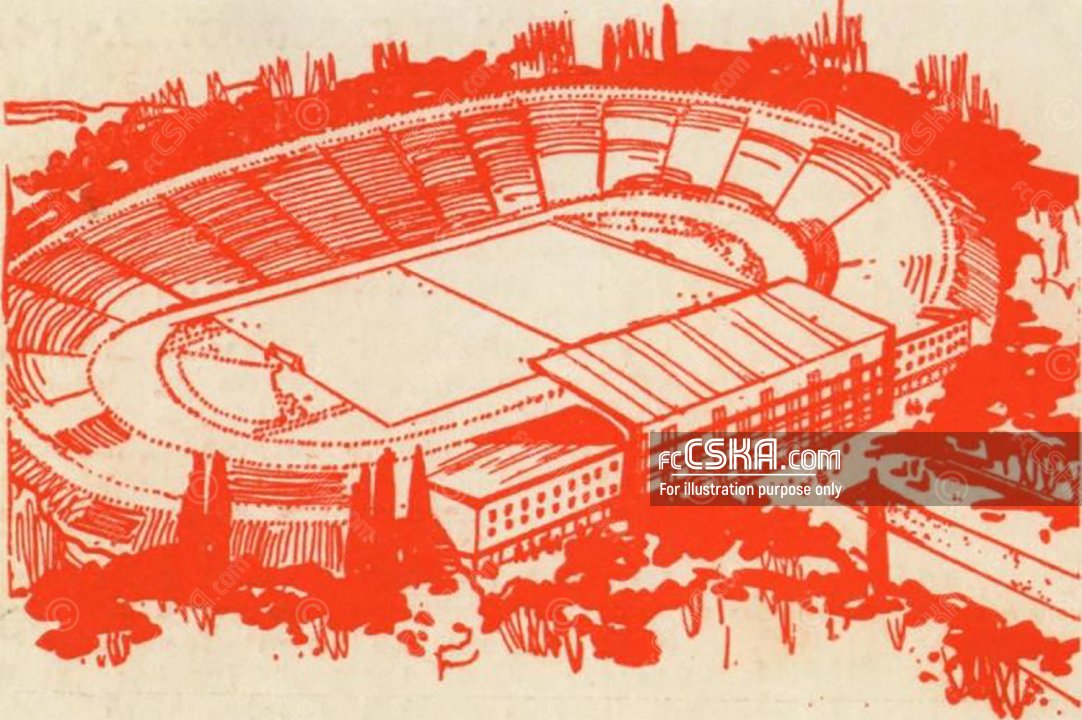
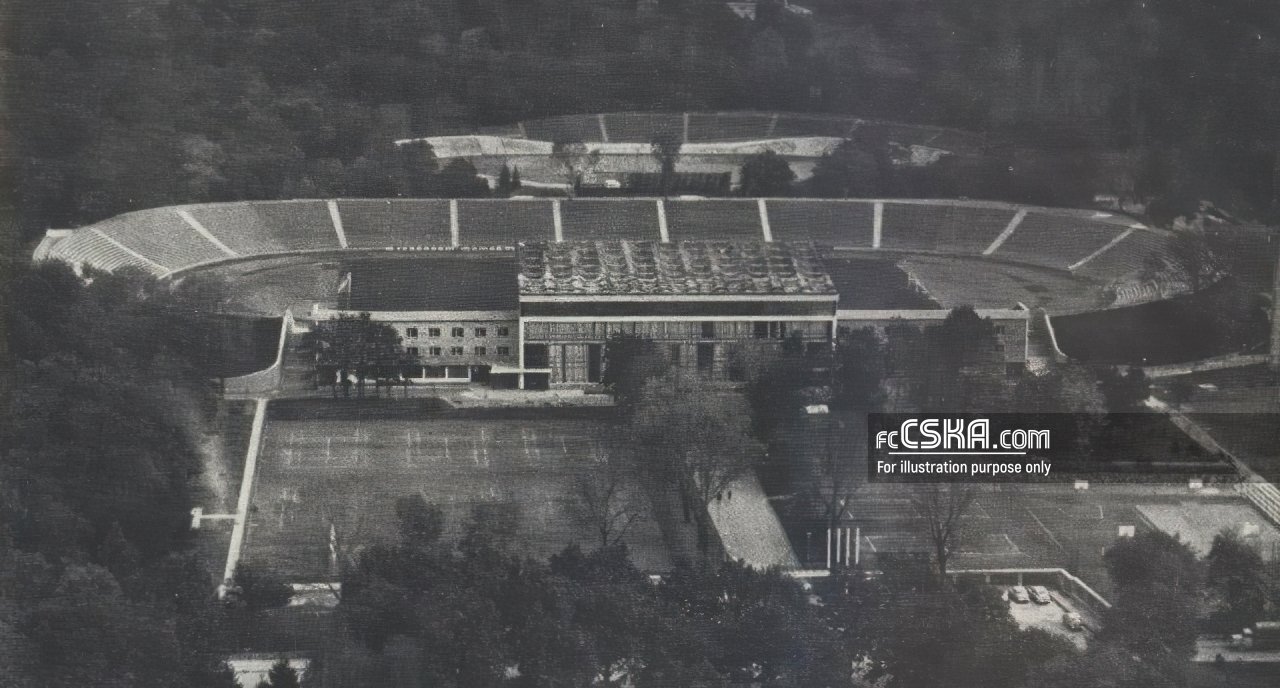
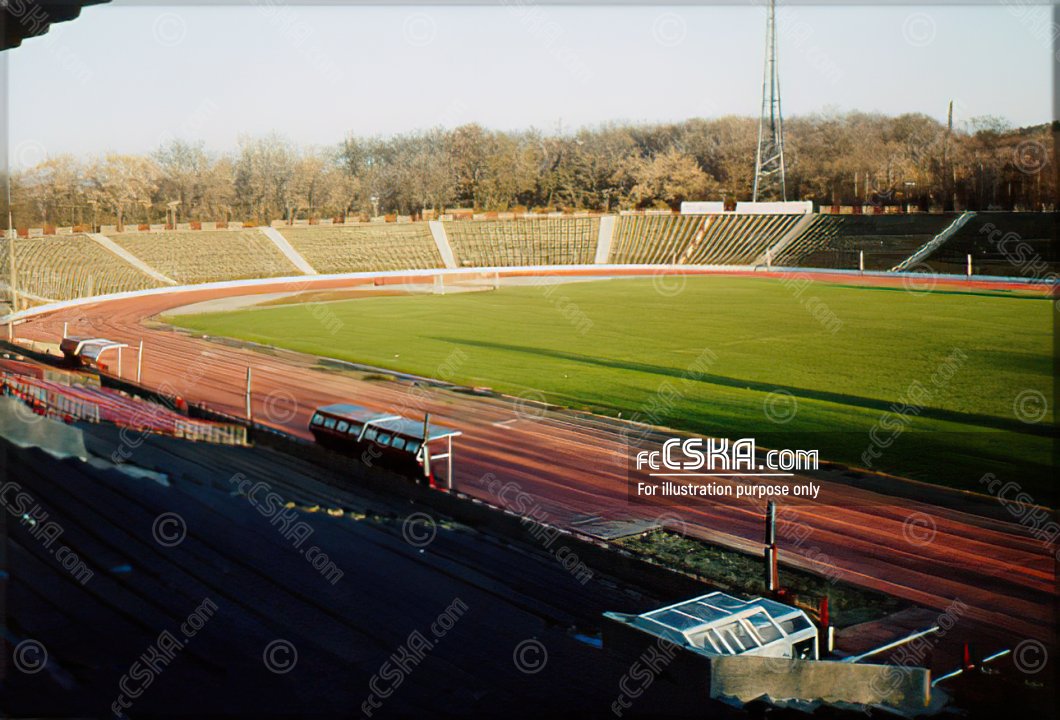
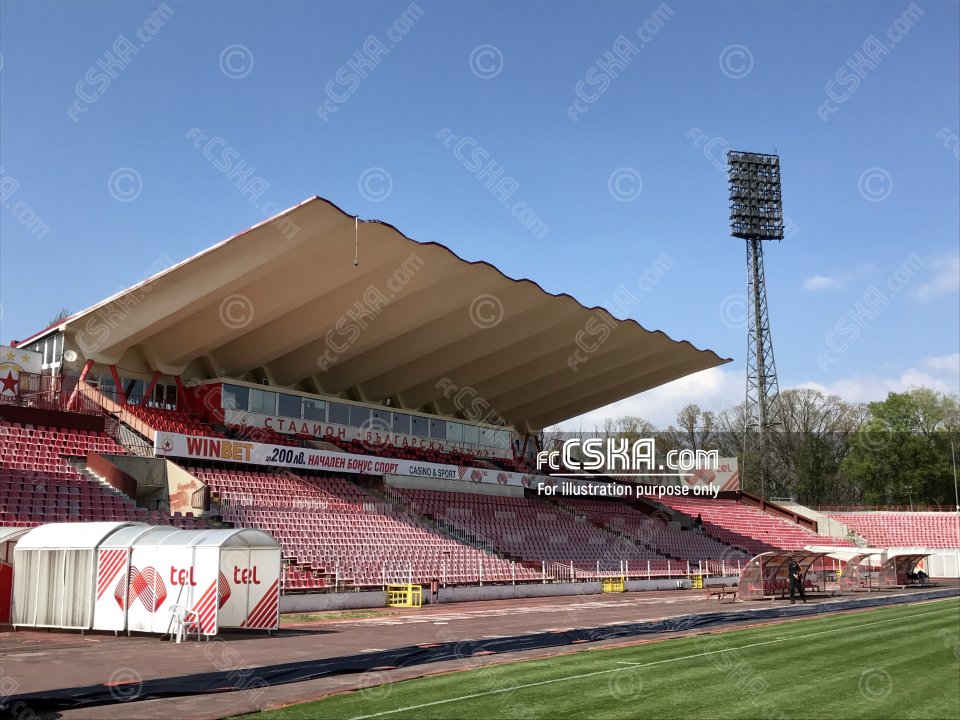
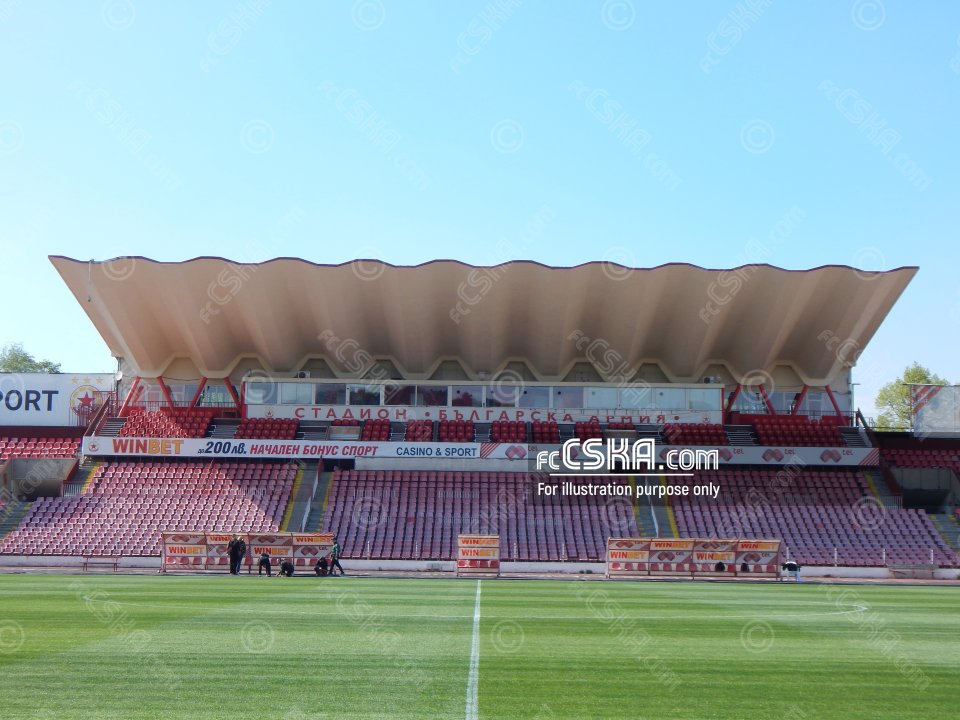
The new stadium was built in stages between 1965 and 1967, based on a design by architects Anton Karavelov and Simeon Ivanov. It was officially inaugurated in mid-May 1967. Part of the original main building and the name „Narodna armiya“ were retained. New stands with a capacity of 32,000 spectators were constructed, along with a prestressed concrete roof over the main stand. Several new entrances were opened, the surrounding walkways were resurfaced, and a new perimeter fence was built. An electronic scoreboard was installed. Beneath the main stand, an 864 m2 training hall was constructed. The complex also included six tennis courts, six basketball courts, and six volleyball courts, as well as an outdoor arena with seating for wrestling, boxing, and other sports. The main building housed dressing rooms, showers, a sauna, medical offices, administrative offices, rooms for journalists, coaches, and referees, a library, a 25-bed hotel, a restaurant, and a museum of sporting achievements. The football pitch measured 105 by 66 meters and was fully grassed.
In 1982, the stadium was renovated with the installation of floodlighting.
Between April 1991 and September 1993, the stadium was named „CSKA“, and since then it has been known as „Balgarska armiya“.
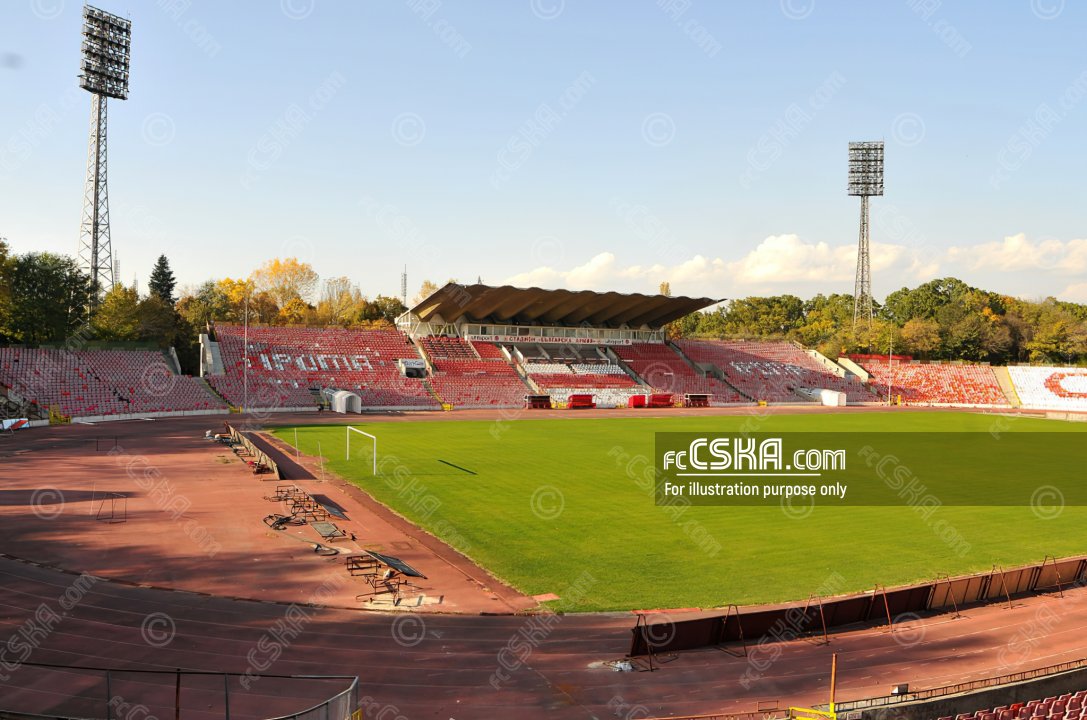
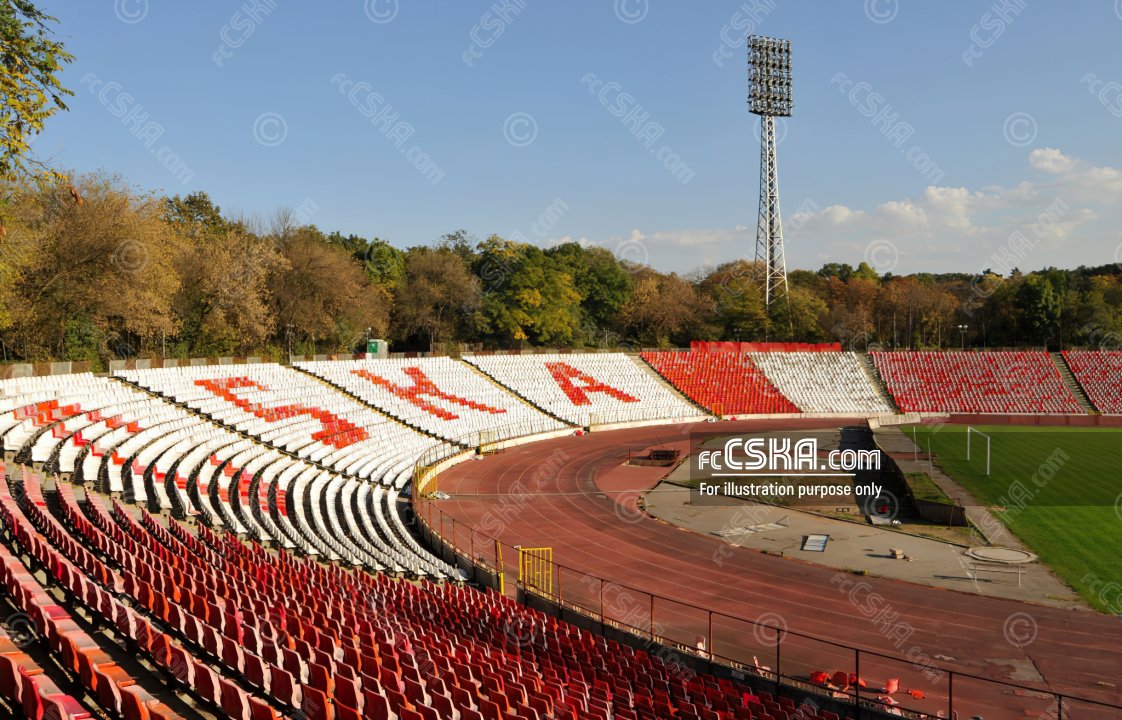
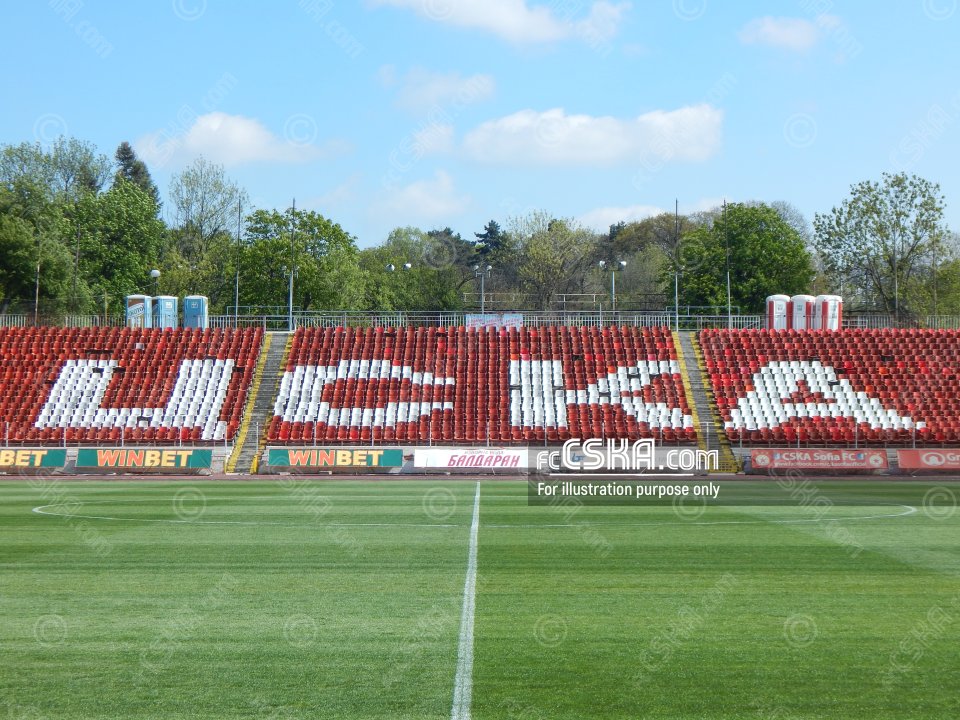
In the autumn of 1998, the stadium underwent reconstruction, with the wooden benches replaced by individual seats, reducing its capacity to 22,015 spectators.
In 2000, a new public address system was installed and the floodlights were replaced.
In 2008, the stadium initially failed to receive a license to host matches due to its deteriorated condition, but following urgent repairs, the Bulgarian Football Union and Sofia Municipality granted the required license. In 2010, the stadium again failed to obtain a license. Another partial renovation was carried out in early 2011, during which 2,500 new seats were installed in Sector A, while broken seats in the remaining sectors were replaced. Between 2014 and 2015, with the support of the „CSKA Forever“ association, three auxiliary football pitches (two full-size and one small-sized) were built on the site of the former tennis courts in front of the stadium. Additional seats were also installed, while Sectors B and G had their seating removed and were converted into standing sections.
At the beginning of 2016, the playing surface underwent a complete reconstruction, including the installation of a new drainage system and new grass.
On 15 February 2023, CSKA and the Bulgarian state submitted documents to establish the joint company „Sports Properties Balgarska Armia“ JSC. The state contributed Balgarska Armia Stadium and the training base in Pancharevo as an in-kind contribution, while CSKA invested 28 million leva in cash.
The Third Stadium
Over the years, various owners of CSKA proposed numerous projects to modernize the club's facilities by building a new stadium on the site of the old one. On 29 May 2019, a new stadium project designed by DESET architects was presented. On 13 September 2019, a construction permit was issued. On 24 April 2023, a press conference unveiled the concept for a fully covered stadium with a capacity of 16,000 seated spectators, VIP boxes, restaurants, and other amenities. On 5 October 2023, the final building permit was issued. According to the original plans, construction was expected to take 18 months after the demolition of the old stadium. The final match at the old stadium was played on 10 December 2023 against Ludogorets, after which the seats began to be removed, many of them being donated to amateur football clubs for use in their own stadiums. Demolition of the second stadium began on 1 April 2024 after the seats had already been removed. By 9 April, the concrete structures in Sector B had been demolished, while work had begun in Sector V. By 1 May 2024, almost all of the concrete structures had been removed, along with part of the embankment in Sector V. Sector A, together with the administrative building and the roof, had been completely demolished, and construction debris was being cleared from the site. Demolition of the stadium was completed at the end of July 2024. Construction of the new stadium began in late September 2024, with Glavbolgarstroy selected as the main contractor.
Ownership
The stadium is currently owned by "Sports Properties Balgarska Armia" JSC, a joint venture between "Serdika Sports Properties" EAD, a company under the Ministry of Sports, and "Arena CSKA" Ltd., which is wholly owned by PFC CSKA EAD. Over the years, the stadium has been owned by the following organizations:
- Officers' Sports Club Slava – from 3 January 1922 to 28 October 1923.
- Officers' Sports Club AS-23 – from 28 October 1923 to 1944.
- People's Sports Club „Chavdar“ – from 1944 to 1948.
- Ministry of Defence – from 1948 to 2005.
- Ministry of Sports – from 2005 to 13 September 2017.
- „Serdika Sports Properties“ EAD, wholly owned by the Ministry of Youth and Sports – since 14 September 2017.
- „Sports Properties Balgarska Armia“ JSC, jointly owned 50/50 by CSKA and „Serdika Sports Properties“ EAD – since 20 February 2023.
Gallery